
5 Shocking Reasons Termites in Winter Are Destroying Your Home
Sep 17, 2026Termites in Winter
Why Termites Don’t Take a Winter Break (and What That Means for Your Home)
Introduction: The Winter Termite Myth That Costs Homeowners Thousands – Termites Active in Winter
Every winter, millions of homeowners breathe a sigh of relief. The mosquitoes are gone. The ants have vanished. And surely, those wood-destroying termites have finally taken a break, right?
Wrong. This dangerous misconception costs American homeowners billions of dollars every single year.
The truth is simple and unsettling: termites don’t take a winter break. While you’re cozying up by the fireplace, these silent destroyers are still munching away at your home’s foundation, walls, and structural beams. In fact, winter can be one of the most destructive seasons for termite damage—precisely because homeowners stop paying attention.
If you’ve been postponing that termite inspection until spring, this article will change your mind. Here’s what really happens to termites in winter, why your home becomes their ideal shelter, and what you can do right now to protect your biggest investment.
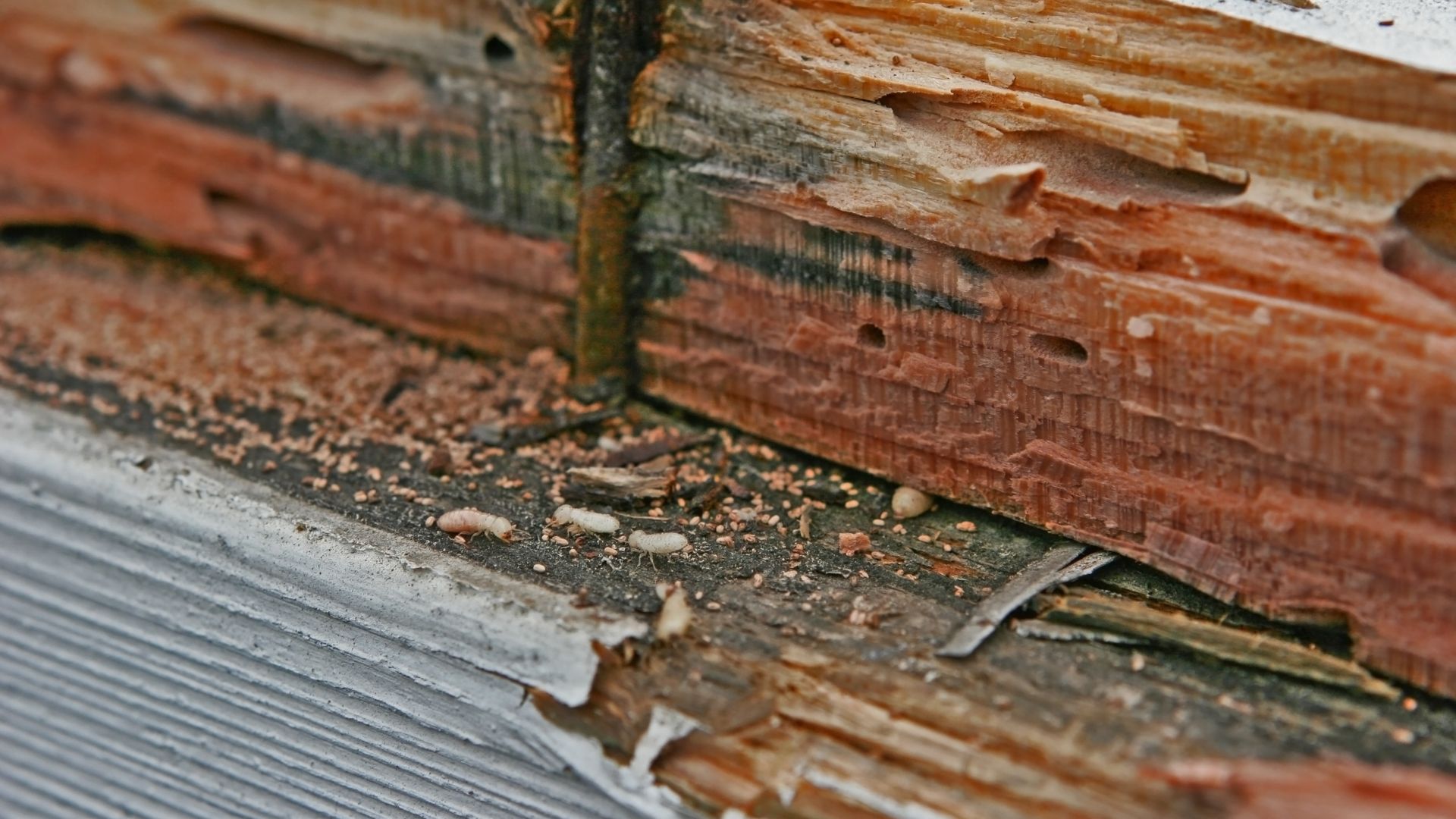
The Science: How Termites Survive (and Thrive) in Cold Weather
To understand why termites remain active in winter, you need to understand how they operate. Termites are cold-blooded insects, which means they cannot generate their own body heat. Their activity level depends entirely on their environment.
But here’s the critical point: they don’t hibernate. Instead, they adapt.
Subterranean Termites: The Deep Diggers
Subterranean termites—the most destructive species in North America—live in colonies underground. As surface temperatures drop, they simply burrow deeper into the soil, sometimes descending more than 40 inches below ground. At those depths, the earth stays relatively warm and stable. The colony continues functioning: workers forage, the queen lays eggs, and the colony expands.
In heated buildings and soil near warm basements, subterranean termites may barely notice winter at all. Warmth radiating from your home’s foundation creates a comfortable microclimate that lets them stay active year-round.
Drywood Termites: The Indoor Survivalists
Drywood termites take a different approach. They don’t need soil contact—they live entirely inside the wood they consume. During winter, they simply stay put inside your attic beams, wall studs, or roof rafters. Your heated home gives them a stable, warm environment unaffected by outdoor temperatures.
In fact, drywood termites in heated structures often experience no slowdown whatsoever during winter. They continue eating, mating, and expanding their colonies while you’re completely unaware.
Your Home: The Perfect Winter Termite Resort
Here’s the uncomfortable truth: your home is more attractive to termites in winter than at any other time of year.
Think about it. Outside, termites face cold temperatures, frozen soil, and limited food sources. Inside your home, they find:
-
Consistent warmth from your heating system
-
Plenty of wood in your structural framing, flooring, and cabinetry
-
Moisture from winter precipitation, plumbing leaks, or condensation
-
Zero predators or natural threats
Termites need three things to survive: water, wood, and warmth. Your home provides all three in abundance, especially during winter.
Winter also creates conditions that accelerate hidden damage. The warm air from your heating system dries out exposed wood surfaces, making early warning signs like mud tubes and frass (termite droppings) harder to detect. Meanwhile, the termites continue their destructive work behind the scenes, safe from prying eyes.
The Hidden Damage Season: Why Winter Infestations Are So Dangerous
Winter termite damage is uniquely dangerous for one simple reason: you’re not looking for it.
During spring and summer, homeowners spend more time outdoors. They notice mud tubes along the foundation. They spot discarded wings near windows. They see swarms and call pest control immediately.
In winter, the opposite happens. You stay indoors. You leave the exterior of your home unexamined. Holiday decorations and storage boxes hide signs of infestation in attics, basements, and crawl spaces. The damage progresses silently, week after week, while you remain completely unaware.
By the time spring arrives and swarmers emerge, the colony may have been active for months—or even years. This means:
-
More extensive structural damage
-
Higher treatment costs
-
Potentially tens of thousands of dollars in repairs
Most homeowners insurance policies do not cover termite damage. That entire financial burden falls on you.
The Real Cost: What Termite Damage Actually Means for Your Wallet
Let’s talk numbers, because this is where the winter termite problem becomes truly alarming.
Termites cause an estimated $5 billion in property damage annually** in the United States. The average cost to repair termite damage—including treatment and structural repairs—exceeds **$8,000.
But that’s just the average. Here’s what severe damage can cost:
-
Wood replacement in structural beams: $2,000–$10,000
-
Floor and ceiling repairs: $1,500–$7,000
-
Wall and trim restoration: $2,000–$4,000
-
Foundation damage: Up to $25,000
Indirect costs add up, too. Homes with a history of termite damage typically sell for 3–5% less than comparable properties. Compromised insulation and structural integrity lead to higher energy bills. In severe cases, you may need to relocate temporarily during repairs.
Compare those figures to the cost of prevention: professional termite protection plans typically cost $300–$800 annually. That’s less than 10% of what you’d pay for even minor termite damage repairs.
The math is clear. Prevention is dramatically cheaper than repair.
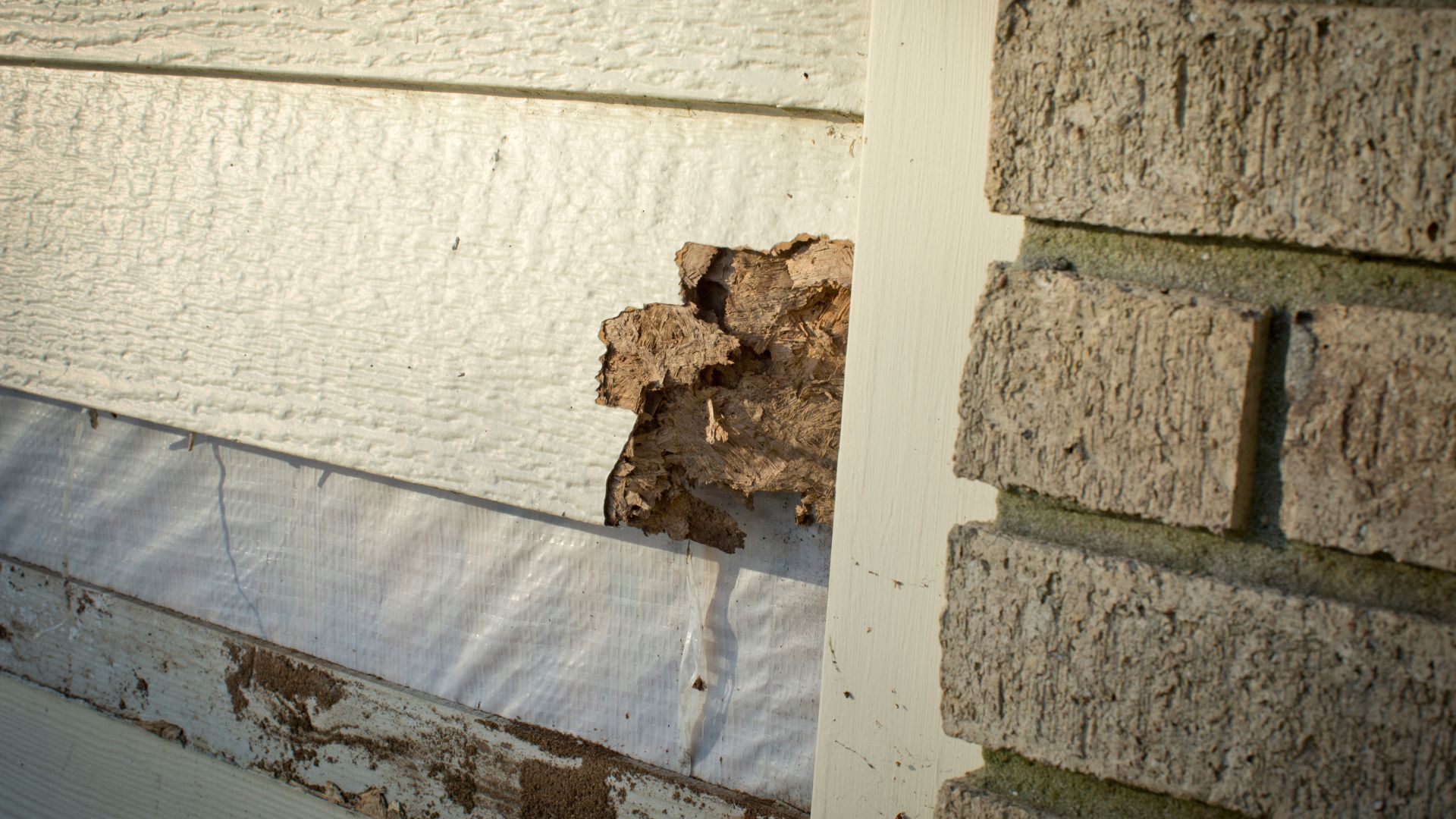
Signs of Termite Activity – Winter Warning Signs: What to Look For Right Now
Even in winter, vigilant homeowners can spot evidence of termite activity. Here’s what to watch for:
1. Mud Tubes
These pencil-width tunnels of soil and saliva are the most visible sign of subterranean termites. Check along interior foundation walls, particularly near heating sources where warmth attracts activity.
2. Hollow-Sounding Wood
Tap on baseboards, window frames, and exposed beams. If the wood sounds hollow or papery, termites may have consumed the interior.
3. Sticking Doors and Windows
Termites generate moisture as they consume wood, which can cause it to warp. Doors and windows that suddenly become difficult to open or close could indicate an infestation.
4. Frass (Termite Droppings)
Drywood termites push their fecal pellets out of small holes in infested wood. These piles look like tiny sawdust or coffee grounds.
5. Bubbling or Peeling Paint
Paint that bubbles or peels without an obvious water source may be hiding termite damage beneath the surface.
6. Discarded Wings
Even in winter, some species may swarm indoors in heated spaces. Look for small piles of identical wings near light sources.
If you notice any of these signs, schedule a professional inspection immediately. Winter is not the time to wait.
Why Winter Is Actually the Best Time for Termite Protection
Here’s the good news: winter isn’t just a season of risk—it’s also the ideal time to take action.
Technicians Can Access Areas Blocked in Spring
During the growing season, landscaping, mulch, and vegetation can obstruct foundation inspections. In winter, with plants dormant and growth halted, technicians can more easily examine critical areas around your home’s perimeter.
Treatment Before Spring Prevents New Colonies
Spring is swarm season. By treating your home in winter, you create a protective barrier before new colonies can establish themselves. You’re stopping the problem before it starts.
Winter Inspections Catch Problems Early
An inspection now often reveals infestations while they’re still manageable. Wait until spring, and you may be dealing with a colony that’s been growing for months.
Peace of Mind Throughout the Holidays
There’s something deeply unsettling about the idea of termites feasting on your home while you’re celebrating with family. A winter inspection and treatment plan eliminates that anxiety.

Take Action: Protect Your Home This Winter
Termites don’t observe the calendar. They don’t care about holidays. They don’t take a break just because the temperature drops.
If you’ve never had a professional termite inspection—or if it’s been more than a year since your last one—now is the time to act. Winter offers a unique window of opportunity to protect your home before spring swarms begin.
Schedule your free termite inspection today with Times Up Termite. Our experienced technicians will examine your home from foundation to roofline, identify signs of activity, and recommend a customized protection plan for your property.
Don’t wait for spring. Don’t wait for visible damage. Protect your home now, while the stakes are low and the solutions are simple.
Your home is your largest investment. Defend it—even in winter, with our termite treatment program.